Your Calendar Is Lying to You
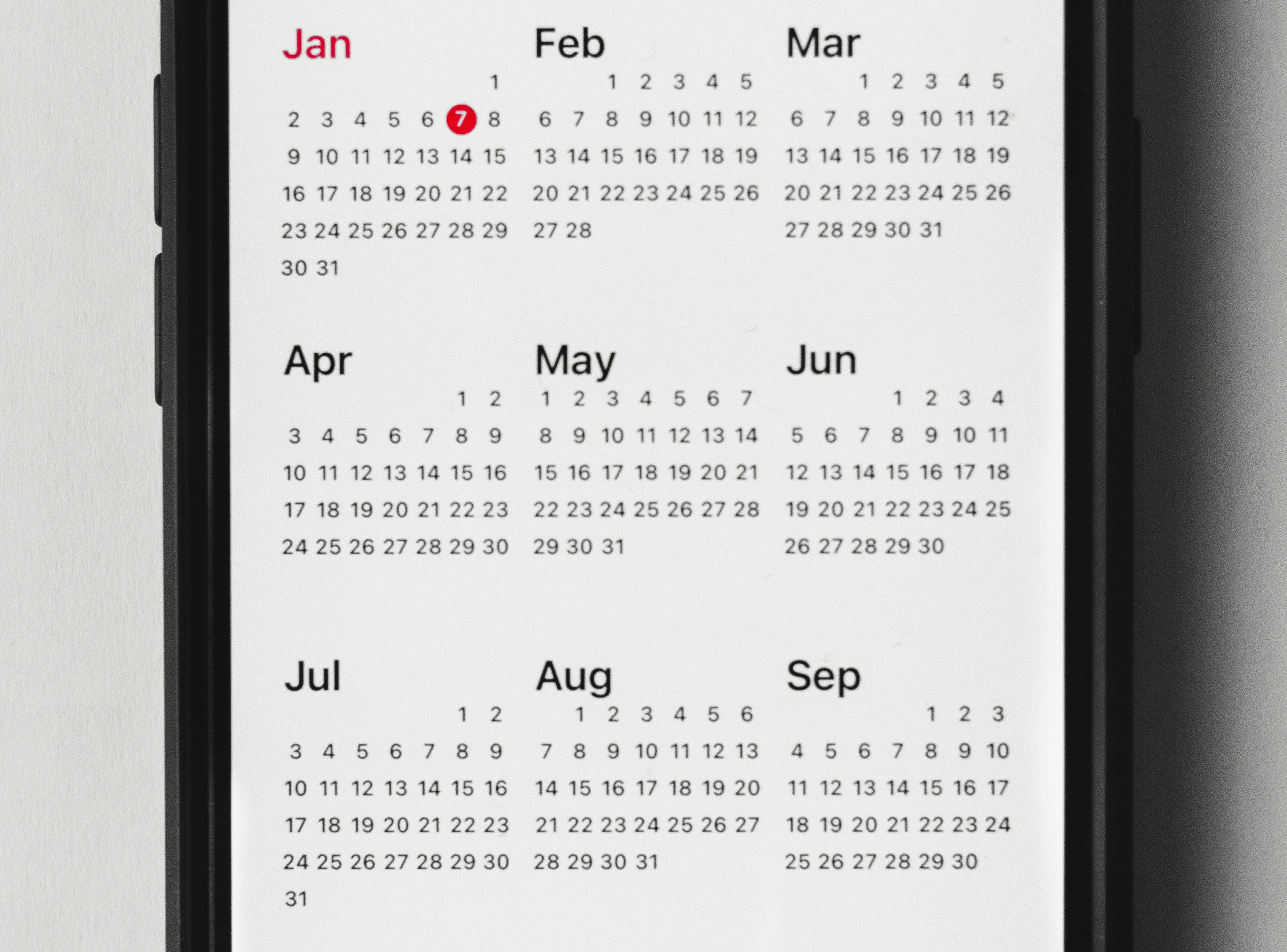
Calendars show you events. They don’t show you reality.
When we moved from paper to digital, we copied the model exactly. An event has a name, a time, some notes, and a place. That’s it. Forty years of software evolution and the calendar on your phone works the same way a paper planner did in 1985.
The problem is that events don’t exist in isolation. They have transitions. And for anyone managing a family, those transitions are where the stress lives.
Take a travel soccer game. It’s on the calendar at 4pm. Simple enough. But actually getting to that event looks like this: uniforms and cleats have to be located and packed, water bottles filled, snacks pulled together, chairs grabbed from the garage. Your kid’s team warms up 45 minutes before kickoff, and the field is 40 minutes away. You’re looking at a 2pm departure.
That 4pm game is a 2pm game. Your calendar doesn’t know that.
It’s not just sports. A dentist appointment at 10am means leaving at 9:30, find parking, walking in, and filling out the form they hand you every single time even though you’ve been a patient for years. A 7pm dinner reservation means everyone dressed and out the door by 6:20. A morning meeting means prep the night before.
Every event on your calendar has a transition that isn’t on your calendar.
That’s the gap. And it’s where families fall apart, where people feel perpetually behind, where the day that looked manageable on a screen turns into chaos by noon. We planned for the events. We didn’t plan for the reality around them.
Calendars need to evolve. Not with more features or AI suggestions (without context), but with a different philosophy entirely. Stop treating events as isolated points in time. Start treating them as the center of everything they actually require.
Stop scheduling events. Start scheduling transitions.
Until then, your calendar is just telling you what’s happening. It’s not showing you the plan.